
Millions of people around the world are affected by floods, hurricanes, earthquakes, conflict and other disasters every year. Learn how Compassion responds to disaster in the countries we serve.
- Disaster response is critical for protecting vulnerable children and families when emergencies strike.
- Both natural and man-made disasters, from floods to armed conflict, affect millions of people around the world each year.
- We do work to equip and empower local churches in disaster-prone areas, giving them the resources they need to quickly respond to the needs of children in their communities.
- You can support children suffering in the aftermath of disaster by donating to Urgent Needs, which delivers resources to local partner churches where it is needed most.
What is disaster response?
Disaster response refers to the actions taken before, during and after an emergency to protect lives and support affected communities. These efforts can include providing emergency food, safe water, medical care, shelter and long-term recovery support to help families rebuild after a crisis.
Disasters devastate families around the world
Earthquakes. Hurricanes. Landslides. Armed conflict. War. All of these disasters impact millions of people each year. For example, there are approximately 55 earthquakes a day around the world, which equals 20,000 a year. And 103 countries across the globe have been involved in some form of conflict in the past five years.
On average, 40,000 to 50,000 people lose their lives per year due to natural disasters and thousands more die due to conflict-related violence. Millions of others suffer homelessness, displacement and other effects that impact their lives for years.
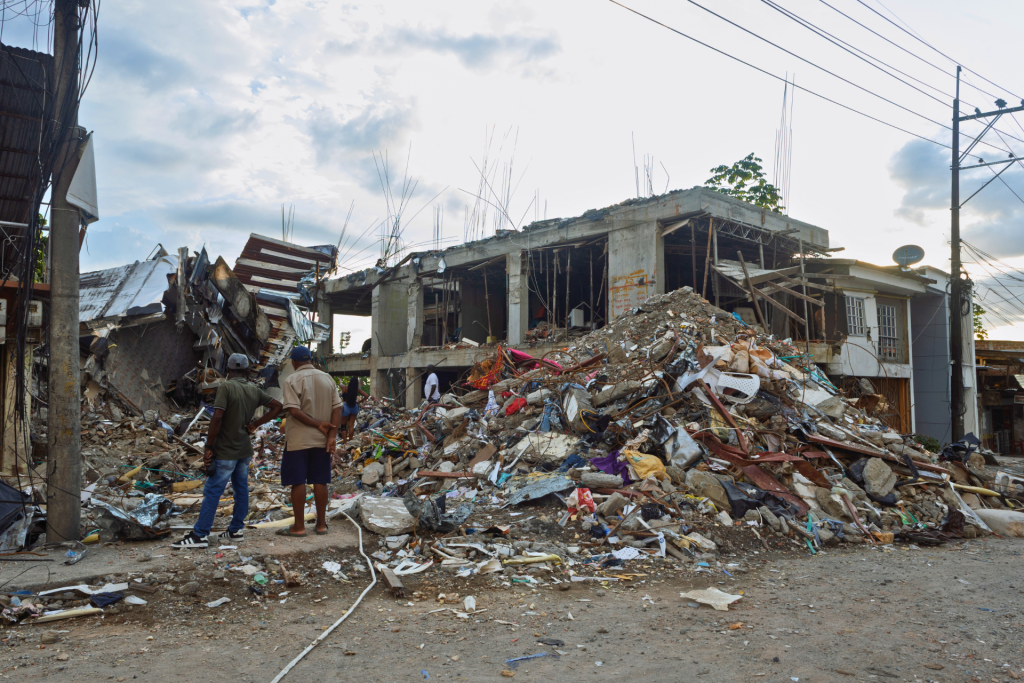
An area affected by the earthquake in Chocó, Colombia, August, 2026.
Disasters hit the most vulnerable the hardest
Already vulnerable families in communities living in poverty often suffer the most. These families live on less than $3.00 per day, and many of them lack any savings to fall back on. They’re unable to replace what’s lost, such as their homes or even food, leaving them without.
These families may also rely on jobs such as farming to provide for their families. When disasters like floods and severe drought strike, their livelihoods vanish, pushing families deeper into poverty and food insecurity.
Many communities in poverty around the world are also remote and without quality communication systems. These barriers result in limited access to aid and recovery, leaving them to fend for themselves.
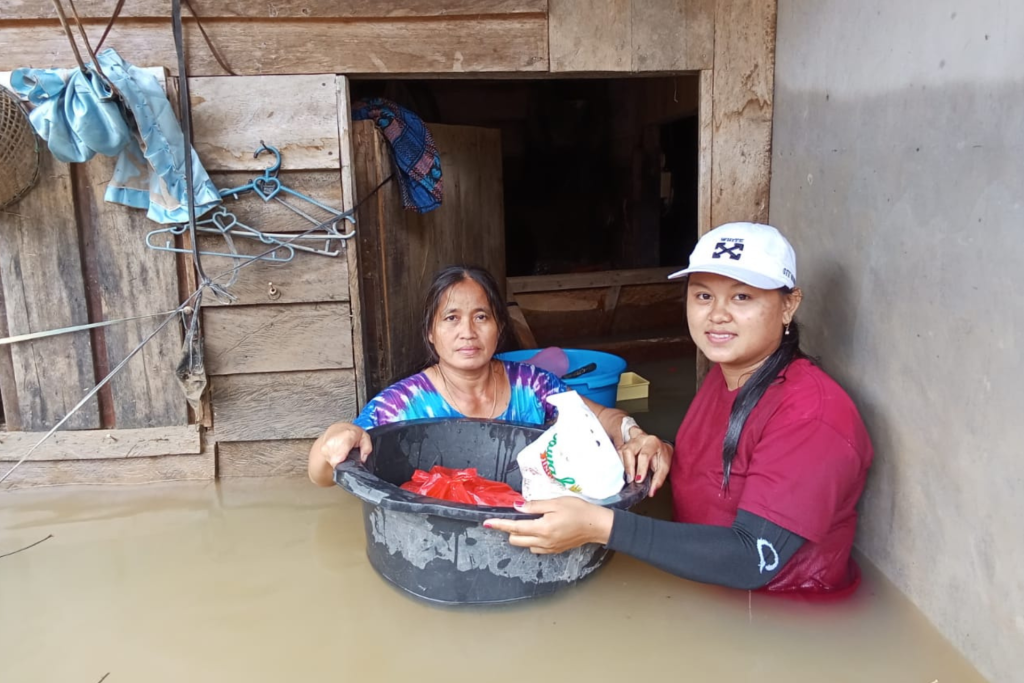
Compassion centre volunteer distributing food package to families affected after the floods in Indonesia, 2025
What makes an effective disaster response plan?
How can we better respond to disasters and reduce the number of precious lives impacted? Through effective disaster response. An effective disaster plan includes four key steps: preparation, response, recovery and mitigation.
- Disaster preparation: The best way to lessen the impact of a disaster is to prepare before it happens. Disaster preparation involves creating a disaster plan as well as equipping communities with the knowledge and resources needed to fight back against disasters once they strike.
- Disaster response: In the wake of disaster, children and families need to be taken care of. They may need fast treatment for injuries or help finding safe shelter and something to eat. This is where disaster response comes in. Responding to a disaster may look like search and rescue efforts, emergency medical care, food and water management and even shelter assignments for displaced families.
- Disaster recovery: Families and communities impacted need long-term care. Families may need ongoing medical support, access to food or long-term shelter. Communities may need repairs such as water system restoration or clean-up, to ensure public areas are free of debris. All these steps and more are taken during disaster recovery, which aims to stabilize communities.
- Disaster mitigation: Mitigation means making something less severe. When it comes to disaster mitigation, these efforts involve reducing the impact of future disasters. For example, these activities might include large-scale, community-based initiatives like stormwater management repairs or small-scale interventions like rebuilding a family’s home with higher quality materials.
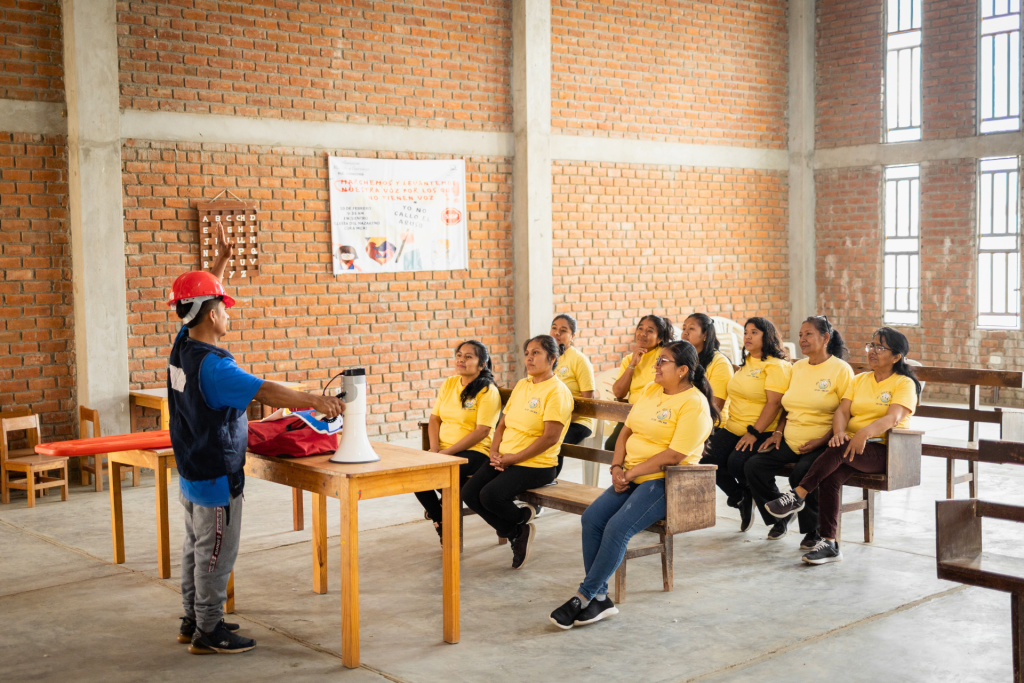
Compassion centre staff in Peru attending a training session on security during a natural disaster.
How does Compassion prepare for and respond to disasters?
Many of the children we serve live in disaster-prone areas and often suffer from the aftereffects of devastating emergencies.
We work to equip and empower local churches in these areas, giving them the resources they need to quickly respond to the needs of children in their communities.
Preparing local churches and their communities
One of the most effective ways to reduce the impact of disasters is through preparation. Through Compassion’s child sponsorship program and practical support made possible through Gifts of Compassion, we help local churches care for children and families and build resilience within their communities.
Through child sponsorship, children have a stable support system and consistent access to malnutrition monitoring and intervention, regular medical checkups and ongoing encouragement, among other necessities. In times of disaster, this ongoing support can help protect children from malnutrition, disease and interruptions to essential care.
Through Gifts of Compassion, supporters can help meet practical needs, from access to clean water, food and home repairs to essential resources and livelihood support that help families build greater stability. This support can help address urgent needs and strengthen families and communities as they navigate challenges and work toward a more secure future.
Compassion also supports local churches in planning for disasters by encouraging every church partner to have a disaster response plan. These plans outline the steps local churches should take before, during and after a disaster, helping reduce its impact.
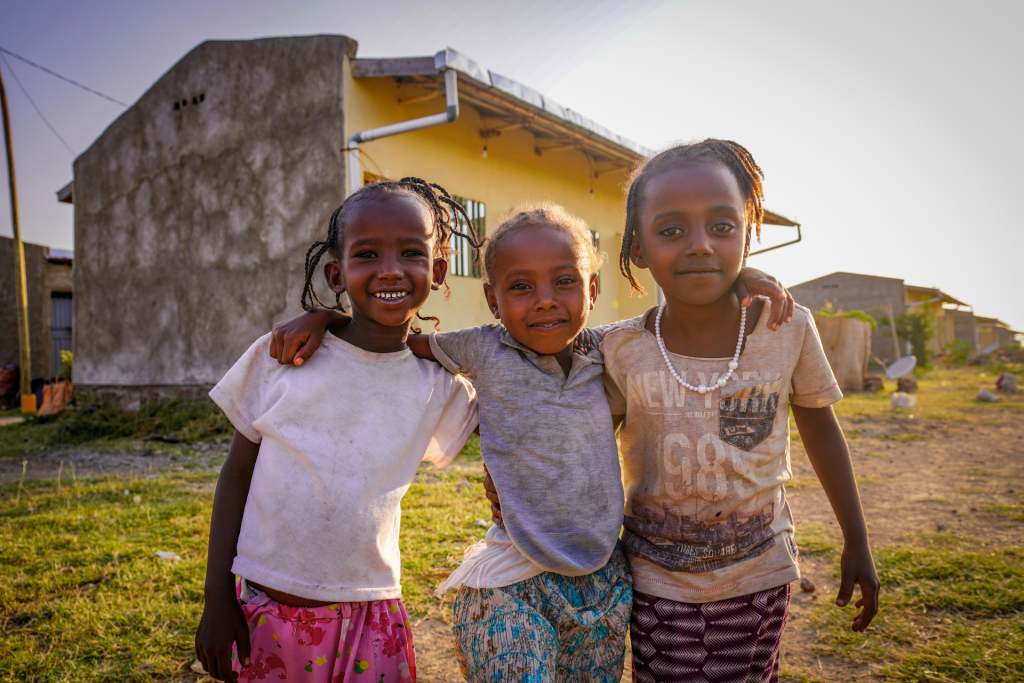
Following the aftermath of a devastating flood that displaced 120 vulnerable families in Ethiopia, Compassion, in collaboration with local churches and the local government, reconstructed new flood-resilient homes.
Supporting fast disaster response and recovery efforts
If a disaster occurs within a community we serve, local church partners immediately alert our national offices. Designated church members trained as first responders deliver stocked supplies like emergency food packs, water, temporary shelter and other essentials to the community in need.
Once the event has stabilized, we support continued recovery activities, delivering ongoing physical, mental and spiritual care to the children and communities we serve. This might look like helping to rebuild homes or simply ensuring children have someone to talk to as they process what they’ve experienced.
Mitigation activities are determined by the local churches within affected communities as well as the country’s national office. Examples of these interventions may include building, home and retaining wall construction, or even planting trees.
Compassion in action: Charlotte and her family find a home
“It was around midnight when I heard our neighbor calling my name. I woke up only to feel like I was drowning. I screamed as I kept drowning; I closed my eyes, thinking I was dreaming. Immediately, I heard my son calling me, and I gasped for breath, telling him that I was drowning.” — Charlotte
Once Charlotte and her family escaped the floodwaters, they watched as they rose, quickly swallowing up their Rwandan home and everything inside. The family was left with only the clothes on their backs.
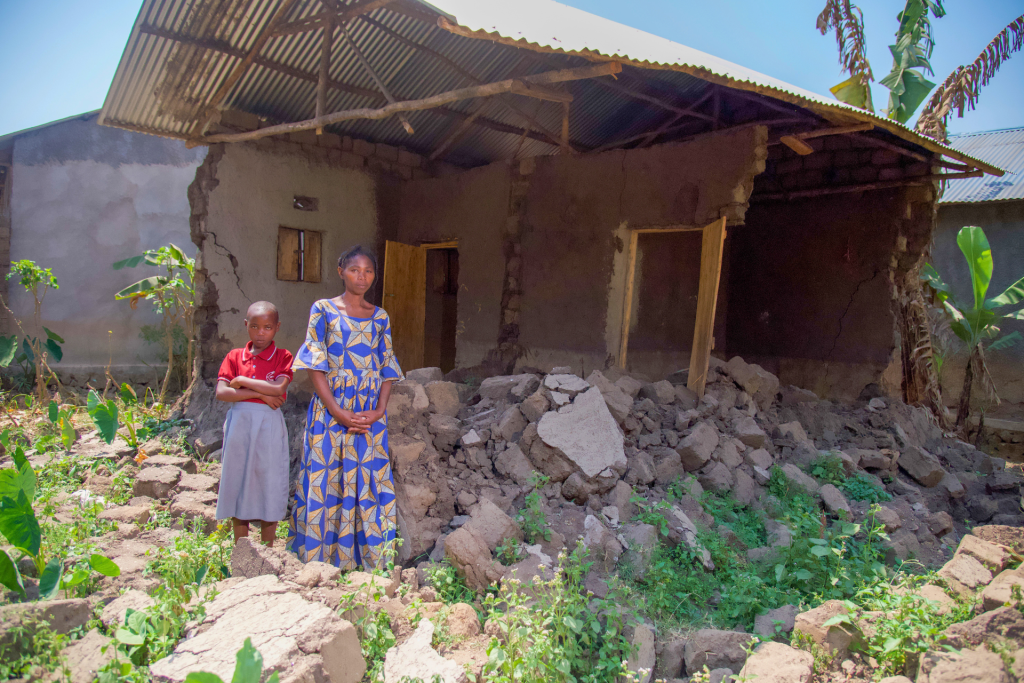
Charlotte and her daughter, Esther, stand outside of what’s left of their home.
Charlotte and her children were evacuated and taken to a school in a nearby community. While it was a haven in the middle of the devastation, the building was overcrowded and under-resourced.
Uncertainty about her family’s future filled Charlotte’s heart. But little did she know that the local church was mobilizing, preparing to stand in the gap for her and others in the community.
“Despite the trauma and uncertainty we faced, we were happy to see the project staff from Compassion come to visit us and reassure us that they would find a way forward. With Compassion’s help, we were able to secure a small, temporary home for us as a family.” — Charlotte
Through the local church and the support of Compassion, Charlotte and her family were given the means necessary to rent a safe place to call home. They also received food, medical care and emotional support to help them cope with the trauma they experienced.
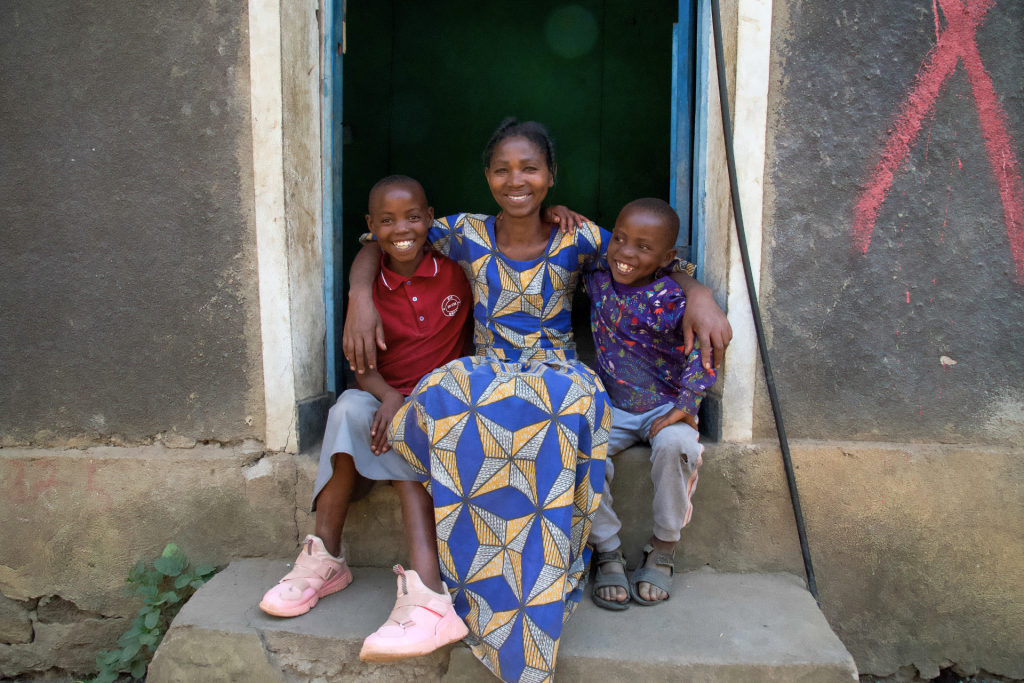
Charlotte, her daughter Esther and her son Janvier sit in the doorway of the home they rented.
While Charlotte isn’t sure what the future holds, she knows her family has the support of their local Compassion center no matter what. And despite their devastating loss, the family has newfound hope.
This blog’s original version was published by Compassion International.
The destruction disasters cause is not limited to collapsed buildings; it breaks apart families, disrupts livelihoods and steals hope. But through local church partnerships, Compassion supports disaster response efforts that provide emergency assistance, recovery support and renewed hope for children and families facing crisis.
