

When you hear the word poverty, what comes to mind? Maybe it’s a picture of hunger, lack of money or limited access to life’s necessities. No matter how we define poverty, financial hardship is typically at the core of it. Nevertheless, poverty goes far beyond financial constraints. It’s a multifaceted issue that significantly impacts every part of a person’s life, shaping their opportunities, well-being and future.
According to UNICEF, nearly 900 million children worldwide experience multidimensional poverty, which means they have little or no access to fundamental needs like food, water, shelter, education and health care. Furthermore, around 412 million children live in extreme poverty, surviving on less than $3 each day.
The pandemic only heightened this crisis. According to the World Bank, an additional 70 million people fell into extreme poverty in 2020 alone—the first significant increase in over a generation. Today, global numbers for extreme poverty have returned to pre-pandemic levels, but progress in reducing poverty has slowed drastically.
These numbers are disheartening, yet they’re much more than statistics. They represent lives disrupted, hopes deferred and futures put on hold. Poverty poses even greater challenges for children. From malnutrition and limited access to education, to a loss of hope and opportunity, poverty threatens to deprive children of the bright future God has promised.
In this blog, we’ll explore the multidimensional nature of poverty. We’ll look beyond the surface to understand its different forms, dive into how it impacts a child’s holistic development — physically, emotionally, socially and spiritually — and explore how Compassion is responding to the problem.
In this blog:
The different dimensions of poverty
The impact of poverty on children
How Compassion approaches poverty
What is poverty?
Poverty is a complex issue that cannot be measured and defined in one single way. To understand it, we must broaden our perspective.
The United Nations characterizes poverty in two key ways: absolute and relative. Absolute poverty assesses an individual’s financial means to fulfill essential needs like food, clothing and shelter. Relative poverty considers an individual’s economic situation and compares it to that of others in society. An individual is considered to be living in poverty if their standard of living falls below what is typical in their community. Understanding these distinctions is crucial for addressing the multifaceted nature of poverty.
Here at Compassion, we also strongly believe what the Bible says about poverty. The book of Genesis tells us that in the beginning, God created a world for man filled with everything that humanity needed to thrive (Genesis 1). God called everything “good” because it was everything He intended our world to be. A world of abundance, where lack could not exist. But then came the fall of man, which resulted in a broken relationship between humanity and God and a curse that brought about hardship. Where man once experienced plenty, he would now have to toil and labour for his very existence. This is where poverty began. Every war, flood, earthquake, poor crop yield or economic collapse that we see or experience can be traced back to the curse.
Therefore, whichever way we look at poverty, we find that it is a state of deprivation — not just in terms of financial resources but also in terms of opportunities, safety and dignity. It means a lack of access to essential resources, connections and systems that allow a person to thrive. Just as it did in the beginning, poverty comes in many forms — and its impact is always far-reaching.
The different dimensions of poverty
Many families living in poverty around the world have experienced every dimension of poverty at one time or another. Parents and caregivers who must worry about how to feed their children must also face the reality of a child being sent home from school because they couldn’t pay their school fees. Poverty comes with many hardships — it’s a reality no one should face.
Let’s unpack some:
Access to Education: No child should be denied the joy of learning. Education is key to breaking the cycle of extreme poverty. However, the latest UNESCO data from 2024 showed that the global number of out-of-school children had risen by 7 million since 2021, reaching 251 million. This is a tragic reality. When education is out of reach, dreams are out of reach.
Bernadette lives in Togo, a country with some of the highest rates of out-of-school children. For her and many others, the harsh reality of being denied access to education comes with a feeling of being abandoned and overlooked. Her mother, Dambe, faced the reality that Bernadette would have to stay home until the family could afford her school fees. Dambe feared for her daughter’s future. For many parents and caregivers, this is a hopeless situation.
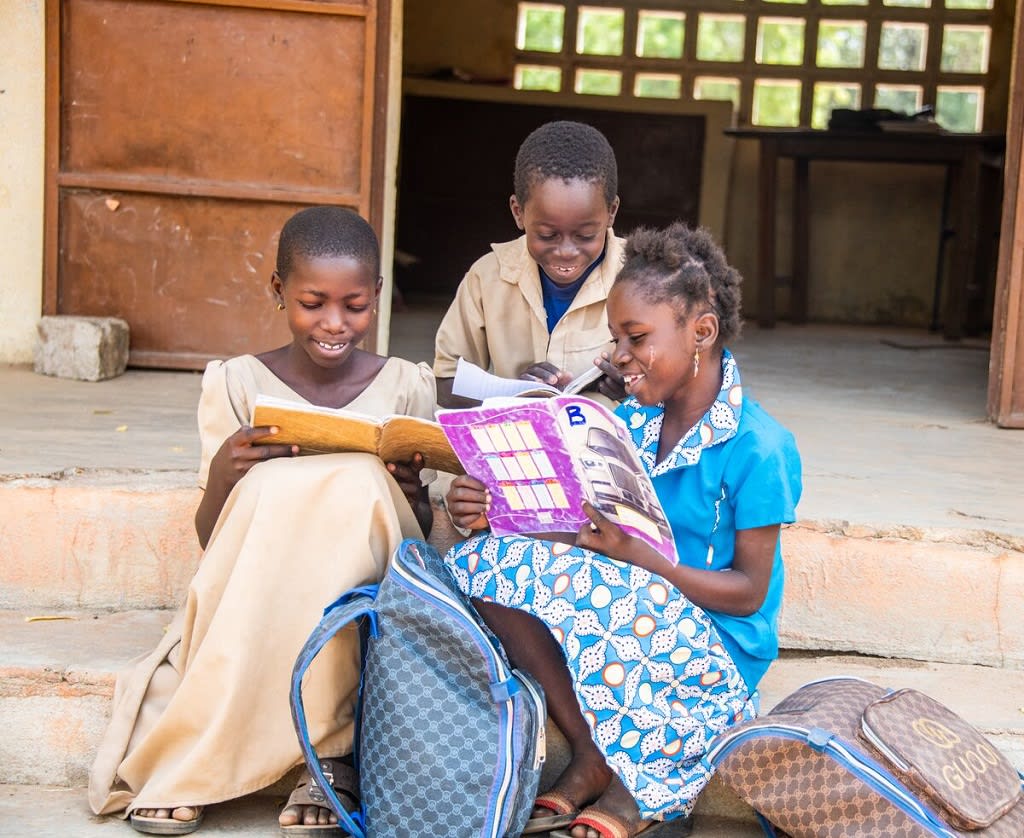
With Compassion’s support, Bernadette (left) no longer worries about affording school fees and has a support system that allows her to thrive in school.
Malnutrition and Poor Health: In 2024, a little over 150 million children under 5 were stunted, a sign of chronic malnutrition. Nearly half of deaths among children under 5 years of age are linked to undernutrition. Many families living in poverty must also grapple with the reality of not knowing where their next meal will come from. Children must go to sleep hungry and suffer from illnesses caused by malnutrition.
Aidah, a mother in Kampala, was faced with a heartbreaking choice daily: bring home the very scraps she collected, hoping to keep her kids fed, or watch them go hungry to bed. She chose the former, even if it meant serving them spoiled food. Her youngest, Shanita, and her siblings often fell ill—battling diarrhea and stomach pains. For Aidah, she knows she risks their health, but love drives her to do whatever it takes to feed her children.
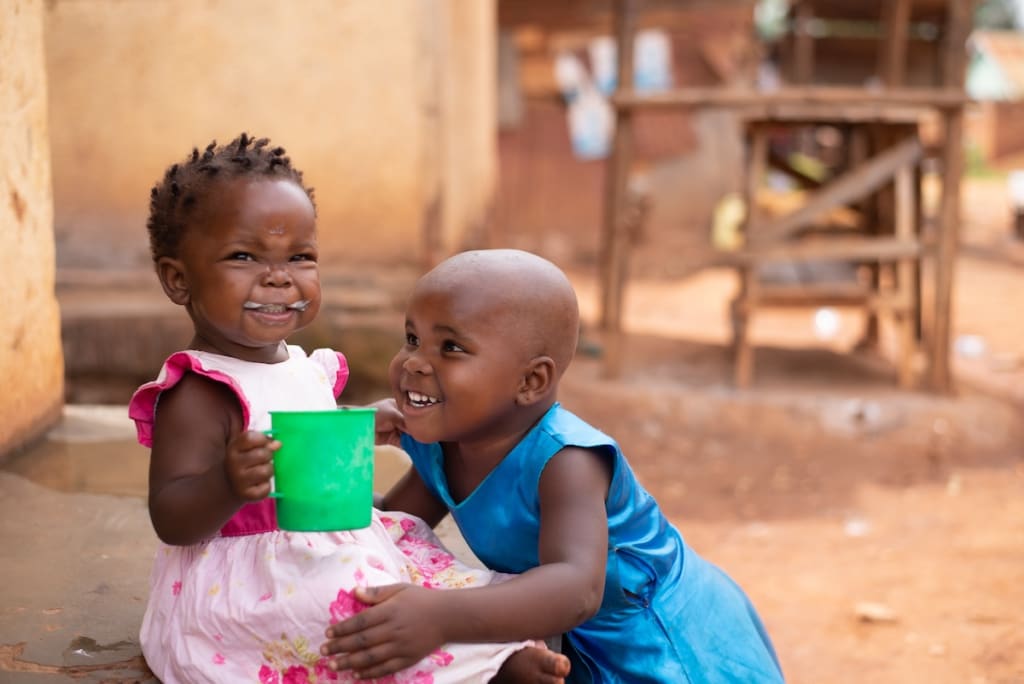
With Compassion’s support, Aidah no longer has to feed her children scraps—access to healthy food allows Charity (right) and her sister Shanita (left) to live healthy and joy-filled lives.
Unstable Housing and Infrastructure: A lot is at stake in the face of unstable shelter. Imagine a family fighting to keep a roof over their heads, living in a crumbling home without access to clean water or reliable electricity.
For Besi and her children, they didn’t have to imagine — it was their harsh reality. Besi longed for a safe, dry place to call home. Her old house would flood during storms, forcing her to line the floor with grass and pine leaves in a desperate attempt to stay dry. But the leaking roof made sleep impossible, and every night was a struggle. These conditions are not merely uncomfortable; they’re dangerous. Families face constant risks of illness and disaster, and it takes a toll on their well-being and safety every single day.
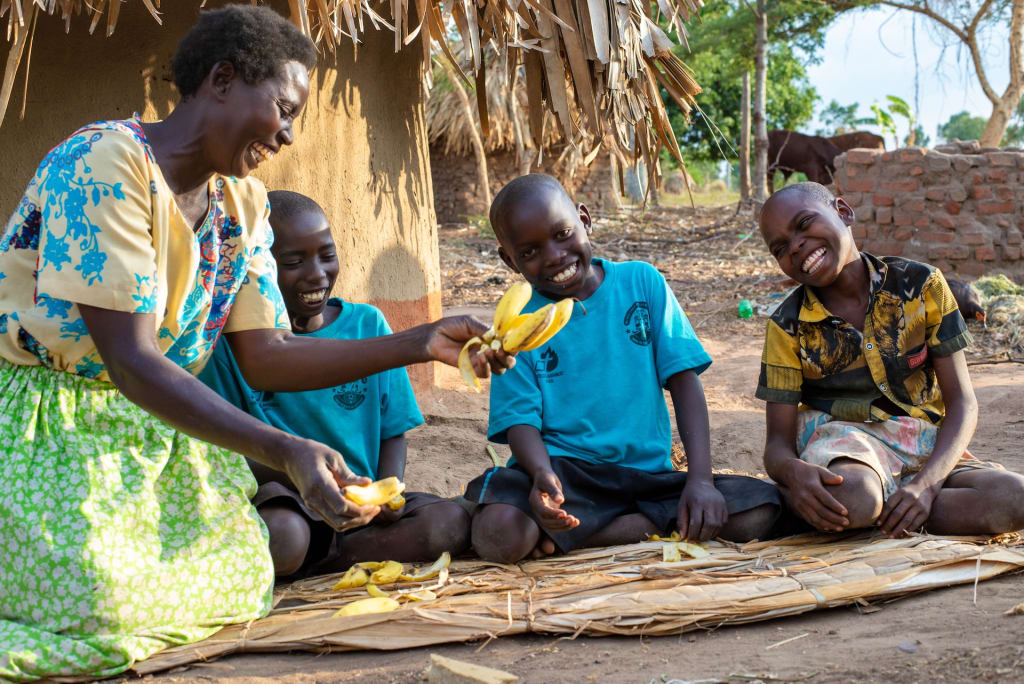
After seeing her living conditions, Besi’s Compassion centre built her family a new shelter to call home.
Limited Vocational Opportunities: Formal education is out of reach for many families living in poverty, and the lack of access comes with feelings of limitations and hopelessness. And without access to skills training or decent jobs, many feel stuck, with no way to lift themselves out of their circumstances.
For Aldair, pursuing his dreams felt impossible. His family barely had enough to afford food and utilities, so furthering his education seemed completely out of reach. He knew what he wanted to do — he had big goals and a clear vision for his future — but no way of making it all happen.
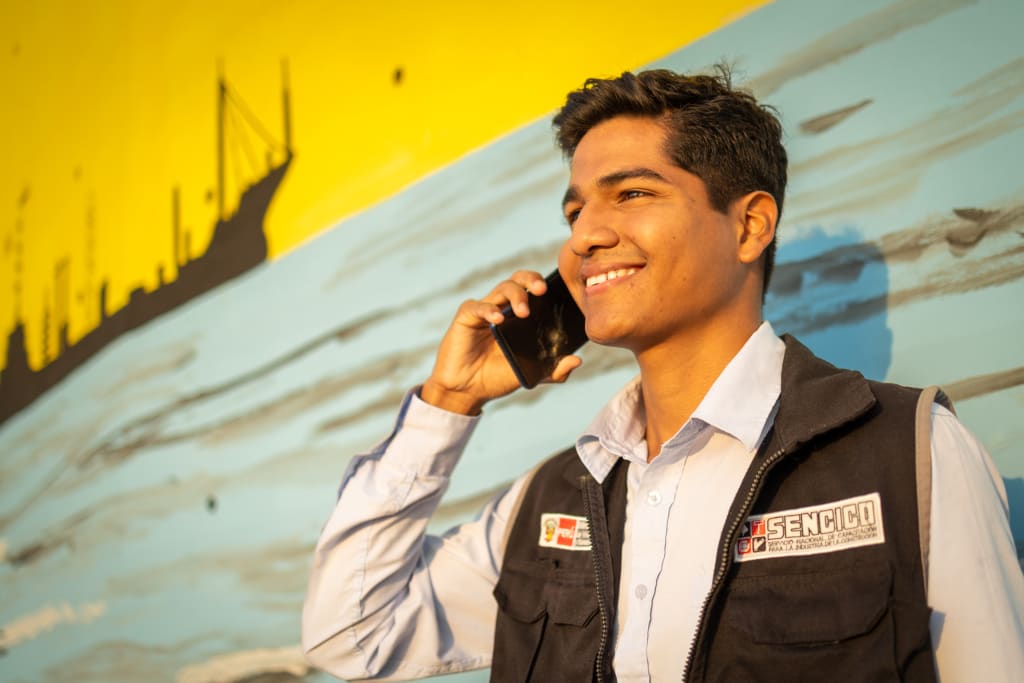
Thanks in part to guidance from his Compassion centre, Aldair completed his degree in civil engineering and now works at his City Hall.
Spiritual Poverty: Spiritual poverty is deeper than material or physical needs — it’s a condition of the heart, a lack of connection to God, purpose, and hope. It’s the empty feeling that remains even when all physical needs are met, and is a void that only a relationship with God can fill. This was the first experience after the fall of man in the beginning — separation from God.
Spiritual poverty is manifold and can affect anyone. It comes as a sense of isolation, despair or a life without meaning. For children growing up in poverty, the struggle is often deepened. The daily fight for survival can overshadow opportunities to hear the message of hope and experience the love of God.
For Martinus, poverty wasn’t just a struggle — it was a trap. With poor educational opportunities in his village and no clear path to earning a living, he believed his options were limited. Survival often meant turning to stealing and even violence to make ends meet. The items he looted were sold so he could buy food and basic necessities. It was a life shaped by desperation, where each day felt like a fight to survive with no way out.
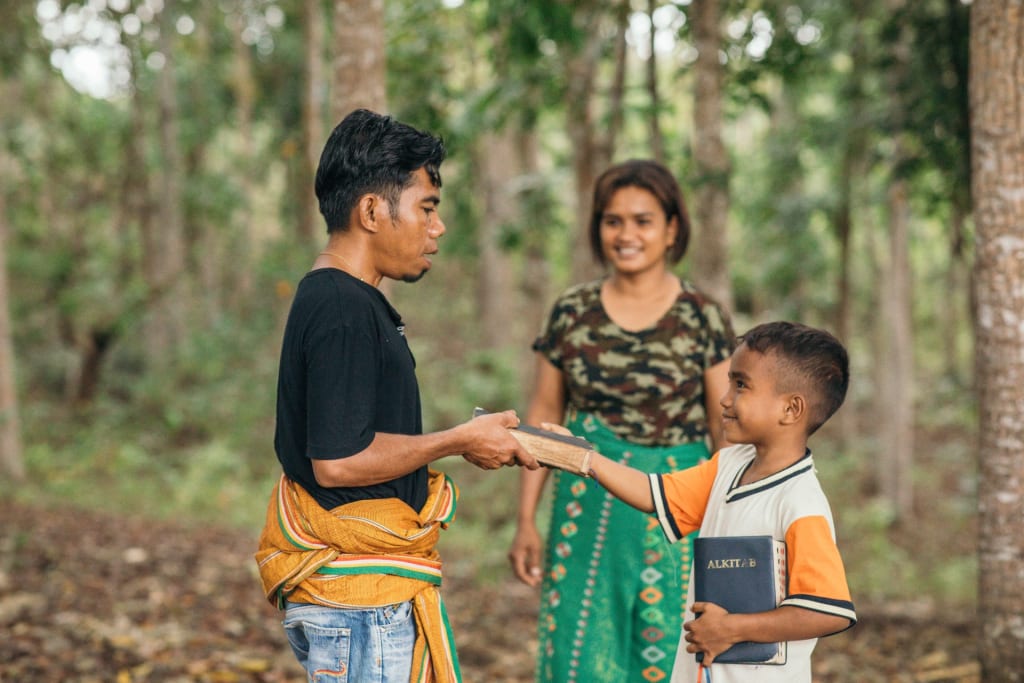
Martinus’ life shows the ripple effect of addressing child poverty—his life of crime was completely transformed when his son Jendri enrolled in the Compassion program.
The impact of poverty on children
It’s clear that poverty profoundly impacts every aspect of a child’s life.
- Physically, a little girl like Shanita suffers from malnutrition because she doesn’t have access to nutritious food.
- Cognitively, a girl like Bernadette might have to drop out of school because she cannot afford her school fees.
- Socially, a boy like Aldair lacks relationships that encourage him to reach his goals, so he feels uncertain about his future.
- Spiritually, a father like Martinus is completely disconnected from God, hope and purpose, impacting his whole family and causing them to turn to a life of desperation and despair.
But this is where Compassion comes in. Compassion’s programs are holistic because for children to thrive, it is necessary to meet their needs in every aspect of life.
How Compassion approaches poverty
Here at Compassion, we seek to address each of the areas of a child’s life affected by poverty based on their unique context. And to truly release children from poverty, we must care for their physical needs and share the only message that offers hope for the future.
Why holistic child development?
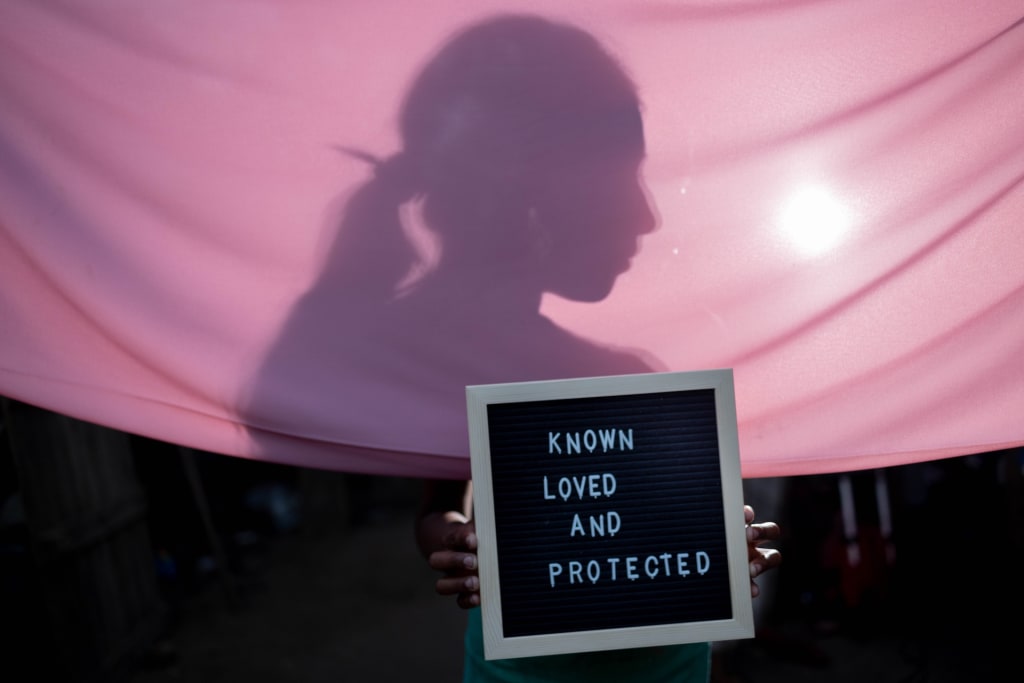
Compassion’s holistic child development model ensures that children are known, loved and protected.
Holistic child development is a robust interdisciplinary approach that allows our global program teams to address child poverty with a comprehensive understanding of a child’s development and the promotion of their overall well-being.
The nature of holistic child development is that it is a long-term process. It means working with children through each stage of their lives to help them grow, learn and flourish. It requires that each child is personally known, loved and protected. And it requires a data-informed approach with measurable outcomes that help our local partners implement programs as effectively as possible.
Holistic child development is the reason we can have a sustainable and long-lasting impact on the lives of over 2 million children in 29 countries, helping them overcome poverty and live to their full potential.
How do we deliver on our approach? Through our partnership with local churches around the world, local churches are equipped to lead and implement programs that spark life transformation in their communities.
Compassion transforming lives
Compassion’s holistic approach delivers results. Our 2025 Impact Report highlights how children are thriving in these four key developmental areas:
- Physical: Children receive the healthcare, nutrition and physical care they need to grow strong.
- Cognitive: Access to quality education, learning tools and mentorship helps children excel academically.
- Socio-emotional: Emotional support and life skills equip children with confidence and resilience.
- Spiritual: Faith-based guidance nurtures a child’s spiritual growth and helps them build a strong moral foundation.
Through stories and photos featured in our blog Lives Transformed: Photos that Tell the Story of Your Impact in Children’s Lives, you’ll see what transformed lives look like. Each child’s story represents the incredible potential that can be unlocked in children when they are nurtured.
Compassion’s model fosters sustainable change and the statistics back it up: children in Compassion programs are more likely to stay in school, receive better healthcare, and thrive spiritually and emotionally. The difference our supporters make is measurable and their impact is tangible.
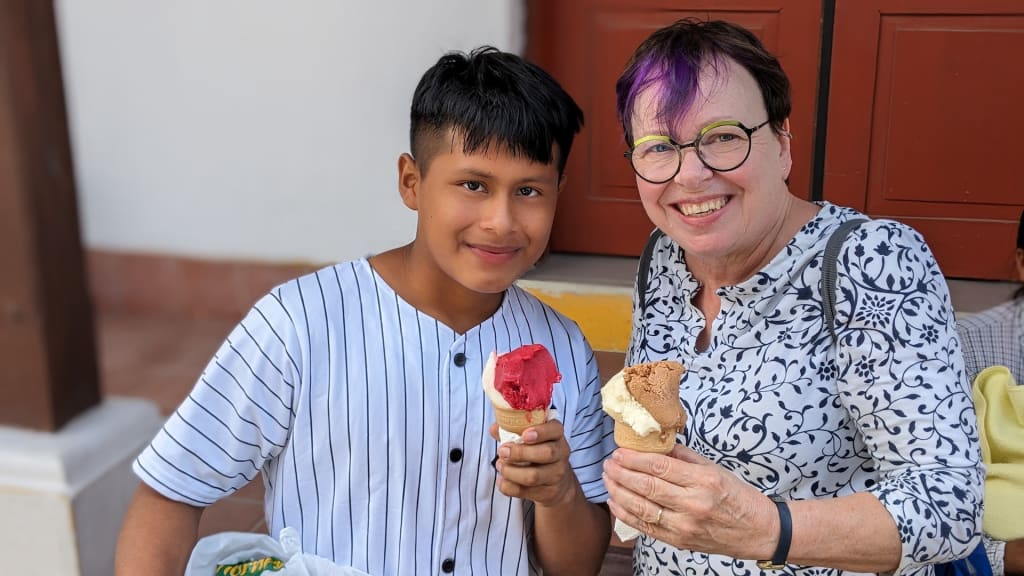
Faithful supporters like Lynn (right) make it possible for countless children around the globe to experience the tangible love of Jesus and be released from poverty.
Your support through sponsorship or a one-time gift is a powerful way to move with compassion and make a lasting impact on countless lives.
Will you join us in shaping a brighter future for more children like Shanita, Bernadette and Aldair?
Sponsor a child or give a gift today
Originally published in January 2025. Updated August 2026.


